
The Ultimate Guide to Perfect Exfoliation for Dullness & Glowing Skin in 2026
Have you ever noticed that your skin looks tired and lackluster even after a full night’s rest? Dullness and uneven texture are among the top skin concerns worldwide. The good news? Most of these issues come down to one simple solution: exfoliation.
Posted on March 15, 2026 | 6 Mins Read
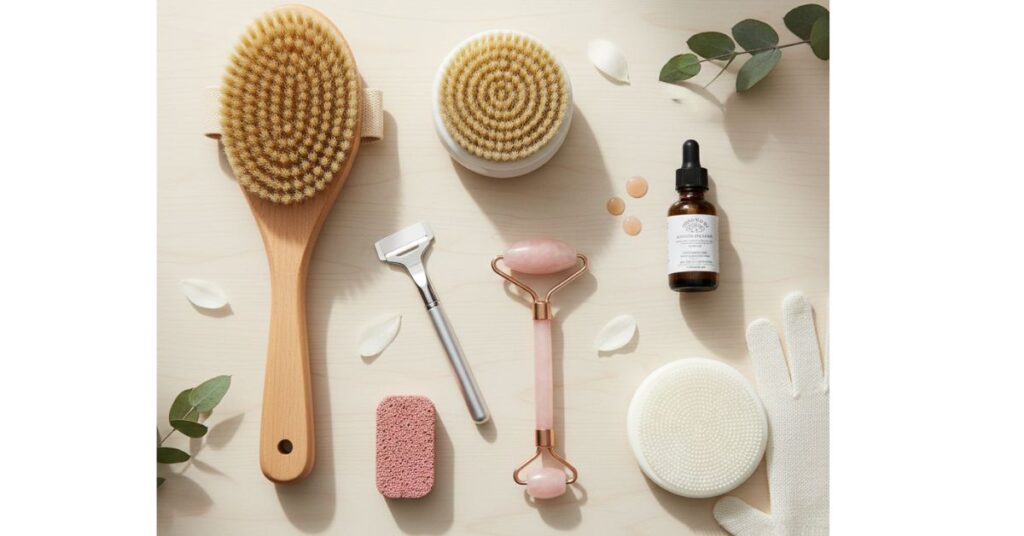
In 2026, exfoliation is no longer just about harsh face scrubs; it is a precise strategy for brighter, clearer, and younger-looking skin. Whether you are battling stubborn dark spots, dry patches, or hyperpigmentation, choosing the right method can completely transform your complexion. While many believe “pantry ingredients” can erase spots overnight, the real game-changers are clinically tested AHAs, BHAs, and enzymes.
Exfoliation is no longer a one-size-fits-all scrub: it’s a targeted, evidence-based step that speeds cell turnover, fades pigmentation, clears pores, and boosts the effectiveness of serums. This single guide merges the best points from two strong drafts so you get a concise, user-friendly plan — what exfoliation does, how to choose the right method for your skin type, precise frequency, step-by-step technique, and when to see a professional.
Table of Contents
ToggleUnderstanding What Exfoliation Does for Your Skin
Exfoliation is the controlled removal of dead skin cells to reveal the healthier, radiant skin beneath. It acts as a primary strategy for managing uneven tone through several key mechanisms:
- Removes dead skin cells: It clears the buildup of dead cells that cause dullness, allowing fresh skin to shine.
- Deep Pore Cleansing: By removing debris and oil, it prevents breakouts and acne-related dark marks.
- Enhanced Absorption: Exfoliation removes the "barrier" of dead skin, allowing your serums (like Vitamin C or Niacinamide) to reach deeper layers.
- Cell Renewal: Consistent treatment supports the skin's natural renewal cycle, helping fade fine lines and dark spots.
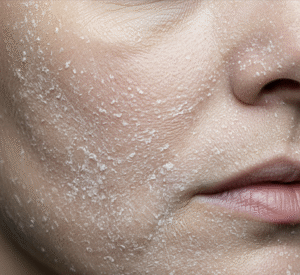
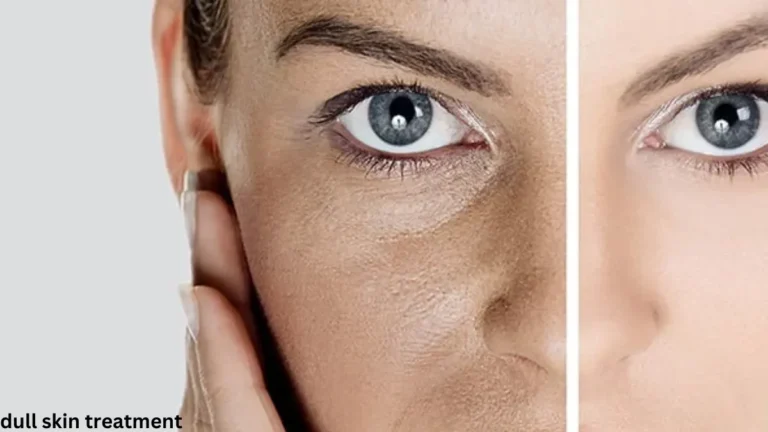
Match Your Skin Type — Practical Recommendations
Understanding the difference is vital to avoid irritation or “micro-tears.”
Chemical Exfoliation (The Deep Clean)
These methods use acids or enzymes to dissolve the bonds between dead cells without manual scrubbing.
- AHA Acids (Alpha Hydroxy Acids): Best for surface-level pigmentation and texture. Examples include Glycolic, Mandelic, and Lactic acid.
- BHA Acids (Beta Hydroxy Acids): Best for oily or acne-prone skin. Salicylic acid penetrates pores to reduce congestion and improve acne marks.
- Enzyme Exfoliants: Derived from fruits like papaya or pumpkin, these offer the gentlest boost for sensitive skin.
Physical Exfoliation (The Instant Smooth)
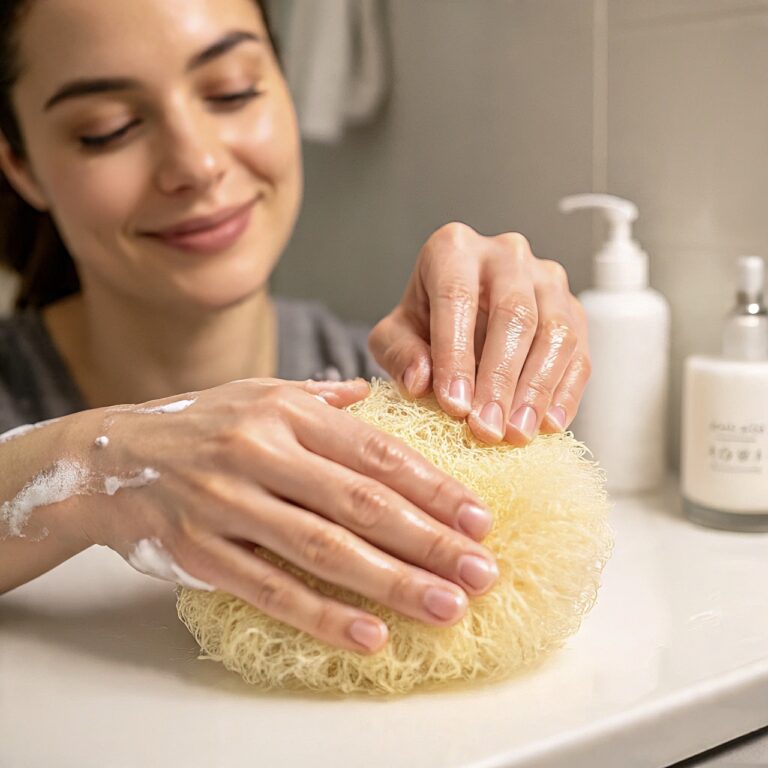
This involves manual friction using microfine scrubs, soft brushes, or polishing powders. While it provides immediate smoothness, it must be used cautiously to avoid worsening hyperpigmentation. They work through mechanical friction, physically removing the outer layer of dead skin cells from the skin’s surface. This process can instantly smooth rough texture, improve skin brightness, and help unclog surface-level buildup.
However, frequent or aggressive use can lead to micro-tears in the skin barrier, irritation, and inflammation, particularly when using large or jagged particles. Because physical exfoliation only acts on the topmost layer of the skin, its effects are typically immediate but short-lived compared to deeper exfoliation methods.
Physical exfoliants may also improve the absorption of moisturizers and serums applied afterward by clearing away dead skin buildup.
Choosing the Right Method for Your Skin Type
- Oily Skin: Use BHAs (Salicylic acid). They regulate oil and prevent the clogged pores that lead to post-acne pigmentation. Use BHA (salicylic) 2–3× weekly.
-
Dry Skin: opt for Lactic acid. It is a moisture-preserving option that hydrates while it exfoliates. Prefer lactic acid or mandelic acid (hydrating AHAs) 1–2× weekly; follow with nourishing moisturizers.
-
Combination Skin: Use a Targeted Zone approach. Apply BHAs to the oily T-zone and AHAs to dry cheeks.
- Sensitive / Rosacea-prone: strength AHAs; 1× weekly and start with a patch test before trying out a product.
Frequency & Timing: The Path to Results
- Daily: Only with very mild enzyme cleansers or low-strength toners designed for daily use.
- 2–3× per week: Typical for most leave-on AHAs/BHAs (adjust down for sensitivity).
- Weekly: Strong AHA/BHA peels should be limited to 1–2 times per week to avoid inflammation
- Best time: Night — skin renews overnight and has time to recover. Always follow with sunscreen the next morning (exfoliation increases UV sensitivity).
Step-by-Step: How to Exfoliate Safely (At Home)
Prep: Start with a gentle, pH-balanced cleanser. Pat dry, but leave skin slightly damp to increase acid penetration.
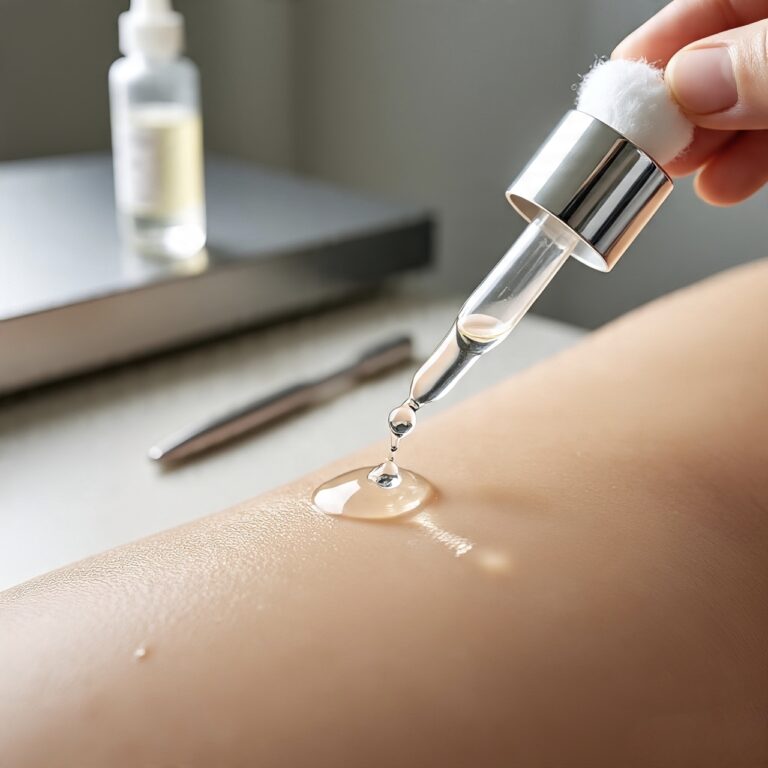
Apply: For chemical exfoliants, use fingertips or a cotton pad; thin, even layer. For physical, use light pressure in circular motions.
Leave-on vs rinse: Follow product directions — many chemical exfoliants are leave-on (better for pigmentation), some are rinse-off.
Post-care: Hydrate with hyaluronic acid, then apply ceramide-rich moisturizer. Consider a calming serum with niacinamide.
Sunscreen: SPF every morning without exception.
Avoid mistakes: don’t layer multiple strong acids at once, avoid scrubbing after chemical peels, don’t mix heavy retinoids with strong acids in the same night unless guided by a pro.
Final tips
Pairing: Alternate nights for retinoids and AHAs/BHAs; use niacinamide and vitamin C on non-acid nights or layer carefully with low concentrations.
Boosting results: After exfoliation, brightening serums (niacinamide, stabilized vitamin C) and topical melanin regulators help fade pigment faster.
Don’t chase intensity: Faster results often come from smart combinations and consistency, not stronger acids used irresponsibly
Conclusion
Exfoliation is one of the most powerful ways to reveal bright, smooth skin in 2026. Exfoliation is a powerful, science-backed step to fight dullness, fade mild pigmentation, unclog pores, and reveal glowing skin — but only when chosen and used correctly. Prioritize gentle, consistent routines tailored to your skin type, protect your skin with daily sunscreen, and escalate to professional treatments when needed. Start small, track progress for 8–12 weeks, and adjust based on how your skin responds.
FAQ
Can exfoliation remove dark spots completely?
It can significantly lighten them, but deeper pigmentation may require professional lasers or peels.
Does exfoliation cause more dark spots?
Yes, if you over-exfoliate. This causes inflammation, which can trigger further hyperpigmentation. use moderately.
How long does it take to see results?
Most people see a visible difference in 2 to 8 weeks with consistent use
Is chemical or physical exfoliation better for dark spots?
Chemical (AHAs/BHAs) is generally more effective and safer for pigmentation when used properly.
Can I use retinoids and acids together?
Not in the same routine unless instructed by a dermatologist.
Do I need sunscreen after exfoliating?
Absolutely — exfoliated skin is more UV-sensitive and needs daily protection.